

Whoa! I found Rabby after a weekend of poking around web3 tools. It smelled like a cleaner, simpler approach to managing DeFi accounts. My instinct said this could save time and headaches, seriously. Initially I thought browser wallets were all variations on the same wallet UI, but then I realized Rabby focuses a lot more on DeFi-specific flows, gas control, and transaction protection in ways that actually change everyday use.
Really? I tried it with a hardware device and with a fresh extension account. The UX nudged me toward safer choices without being preachy. On one hand the convenience of connecting to DEXes and aggregators is immediate and delightful, though actually there are nuanced trade-offs when you start juggling multiple chains and contract approvals. Something felt off about some default approval behaviors elsewhere; Rabby forces you to think in terms of granular permissions and it surfaces risk in a more intelligible way than many competitors, which I appreciated.
Here’s the thing. The extension is lightweight and integrates with Ledger and Trezor. I like the way it groups accounts and lets you create “profiles” for different strategies. That small shift—profiles—makes multi-strategy management feel less messy. Initially I thought that would be fluff, but then after weeks of splitting spot trades, liquidity positions, and yield tactics across accounts I saw the operational benefit clearly and it saved me mistakes.
Whoa! There are handy tools for ERC-20 approvals and for reviewing repeated signatures. Those tools reduce the need to dig through block explorers mid-trade. Actually, wait—let me rephrase that: they don’t eliminate all risk, but they reframe decisions so you rarely sign something blindly, which is a huge behavioral nudge and a technical improvement at once. My bias shows here—I’m picky about transaction metadata—so Rabby’s visual cues and confirmation lines matter a lot to me when I’m moving big sums or interacting with new contracts.
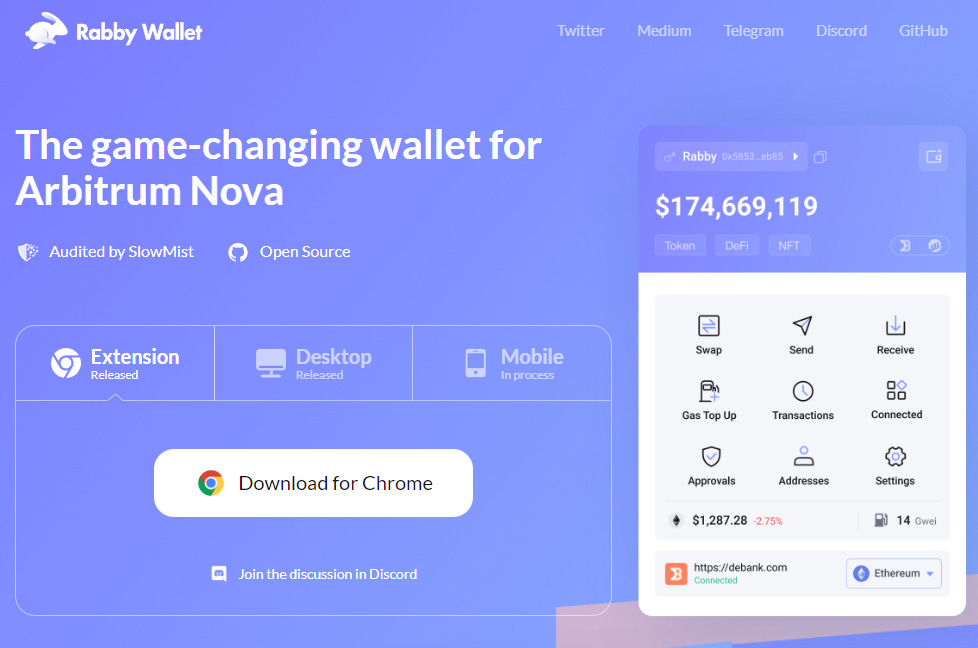
Seriously? Gas control is a mixed bag across wallets, but Rabby gives you clear presets and a custom slider. That matters when Ethereum spikes and you need to decide between speed and cost. I toggled between different strategies depending on whether I wanted certainty or cheapness. On one hand, aggressive gas bidding wins some trades, though when you’re running bots or multiple transactions you want predictable inclusion times and Rabby’s visibility into queued transactions helps with that operational planning.
Hmm… Security features are practical rather than theoretical. It alerts you about suspicious approvals and highlights when a contract asks to spend your tokens indefinitely. On the other hand, nothing replaces good operational habits—cold storage, hardware signers, minimal approvals—and Rabby is a tool that nudges you toward those habits without forcing your workflow into a rigid model. I’m not 100% sure about every edge-case, for example novel multisig flows or some exotic layer-2 bridges, and there were small rough edges when I tried advanced contract interactions, but the team seems quick to iterate and community feedback shows up in updates.
Okay, so check this out— I used Rabby while bridging and while yield farming at the same time. It kept the approvals separate and reminded me which account owned which LP token. That saved a stupid mistake once when I almost withdrew from the wrong position. I’m biased toward clarity and auditable workflows; using this wallet made me question a lot of my prior assumptions about wallet ergonomics and how small UX changes can prevent loss.
Something felt off about… Rabby isn’t perfect; there are features I’d like to see improved and some mobile parity work to be done. Their developer docs and onboarding are getting better though. Initially I thought it might replace my main wallet entirely, but after deeper use I realized I’d keep a multi-wallet strategy—some accounts for cold storage, some for active play, and Rabby for the DeFi middle ground where you need both control and convenience. If you want to try it, grab a test account, link a hardware signer, and play with approvals on small amounts first; that way you can learn the interface without risking much, because even the best tools have learning curves and human error is often the real vulnerability.
Grab the extension and test it safely
If you want to see these features hands-on, here’s a straightforward place to start: rabby wallet download. I’m biased, but start small—use tiny amounts, connect a hardware signer, and get comfortable with the approvals UI before you go deep into protocol interactions.
Oh, and by the way, somethin’ else: the community is active and the team listens. There’s some duplication in settings (I saw a few repeated options), and a few UX flows feel very very granular for power users, which is both a plus and a curse. Still, the mental model Rabby encourages—explicit permissions, visible approvals, and account profiles—resonates in real trades, not just in demo videos.
FAQ
Is Rabby secure enough for large positions?
Short answer: use hardware signers for large sums. Rabby supports Ledger/Trezor and augments security with clearer approval flows, but nothing replaces good custody practices; keep cold storage for long-term holdings and use Rabby for active DeFi operations.
Can Rabby handle multiple chains and Layer 2s?
Yes, it connects to multiple networks and common L2s, though some bridge integrations and mobile parity are ongoing. For complex cross-chain strategies test with small amounts first and double-check contract addresses—bridging is where people often get careless.